metadata = hawaiian flavor wingstop, how long is chipotle good in the fridge, birthday wishes for teacher male, popeyes sweet heat sauce, kulamisjanler

Exclusive Content:

The Real Benefits of Installing Café Blinds Perth for Your Home

Outdoor living is a huge part of the Australian...

Granite Countertop Design Trends for Modern Kitchens

Granite countertops remain a beloved choice for kitchens, offering...

History and Value of Antique Chess Sets

Antique chess sets offer a glimpse into diverse cultures...
Home Blog Page 25

Understanding Addiction and Its Most Common Forms

0

Addiction is a serious subject, no matter what form and no matter who has it. It is a chronic disorder wherein a person does not have control over what they are doing or using. The worst part is, it can affect a person’s life negatively to the point that it can be very harmful not just to them but to the people around them as well.

What Could Be The Cause Of Addiction?

In truth, the cause of addiction cannot be pinpointed for a single reason. It can come from varied sources such as the environment where people with addiction grew up or were introduced to it and found this addiction really helpful for them in going through their daily lives. The cause can come from physical factors but may also stem from emotional or mental factors as well. A problematic household can prompt someone to turn to substance abuse and from there, develops an addiction to said substance. Poor living conditions can also make a person strive for quick and easy money through gambling which later on can become an addiction as well.

What Are The Most Common Types Of Addiction?

Addiction can come in different forms. The most common type would be substance addiction or usually referred to as drug addiction. A lot of people are into this mainly to escape the mental stress that they encounter in their lives. However, there are also people who do it just for fun and simply because they find it enjoyable to feel high in these substances. Whatever the case is, substance addiction is still unacceptable and can lead to really harmful ends, especially for the one who is addicted. Serious health issues can arise from the overuse of substances and can even lead to fatality if overdosed.

Addiction
Image Source: Pexels

Another form of addiction is alcoholism. In this case, an addicted person turns to drink alcohol in order to cope with life. This can lead to serious anger management issues and, of course, health issues. As a result, Alcohol rehabilitation is a must to get someone’s life back to normal. If not overcome, this addiction can do really harmful things to the person’s overall health and well-being.

Addiction can also come in the form of behavior-related ones such as problematic gambling. Engaging in gambling from time to time cannot be considered an addiction but continuously gambling despite having the desire to stop or experiencing negative repercussions can be a sign of problematic gambling or addictive gambling. Addiction to gambling gives a rewarding and reinforcing feeling to a gambler who wins and therefore makes this person want for more. And once they lose, this behavior only makes them come for more thinking of the possibility of winning and longing for the feeling of being victorious at it. Gambling, just like any other form of addiction, can be treated and overcome especially with adequate support from people surrounding the person addicted to gambling.

Addiction can be treated and prevented. Its negative effects can be avoided and do not have to be faced alone. Love and support and a personal desire to win over an addiction can help in fighting it in taking over a person’s life.

FAQ Section:

What are the 3 most common forms of addiction?

Addiction is defined as the repeated use of a psychoactive substance or behavior despite adverse consequences. There are many different types of addiction, but they fall into 3 main categories:
– Substance abuse
– Process addiction
– Behavioral addiction

What is the difference between physical and psychological addiction?

Physical addiction is a physical dependency on a substance. When someone takes the substance, it triggers a reaction in the body that causes pleasurable feelings.
Psychological addiction is when someone becomes dependent on something for emotional support or when they use it to avoid dealing with their problems.
In conclusion, physical addiction is when you need to take a drug in order to feel good or have an effect; and psychological addiction is when you depend on something for emotional support or to avoid dealing with your problems.

How does addiction affect the brain?

Addiction is a complex disorder that involves a number of different brain systems.
The most widely accepted theory of addiction is the “self-medication” theory. This theory suggests that addiction develops as a result of an individual’s attempts to cope with emotional and psychological distress.
The neurobiological correlates in addiction are still not fully understood, but there are many studies which have shown that addiction has a strong correlation with changes in the brain’s reward system, which includes dopaminergic neurons.

How can addiction be treated?

Addiction is a chronic, often relapsing brain disease that causes compulsive drug seeking and use despite harmful consequences.
There are two main approaches to addiction treatment: 12-step programs and therapeutic communities. Both of these approaches focus on the individual’s recovery from addiction. The 12-step program is based on the idea that addiction is a disease with spiritual, physical and mental components. It also focuses on the idea of abstinence as a means of recovery. On the other hand, therapeutic communities offer more intensive rehabilitation services than 12-step programs do. They work by addressing the social roots of addiction in order to provide long-term recovery for patients who have not been successful with other treatments. The method is often used in the case of addiction to alcohol, tobacco, gambling and pornography.

What are the most common types of addiction?

Addiction is a state of being in which one has an intense, often uncontrollable desire to engage in some activity or experience.

What is the difference between substance abuse and addiction?

Substance abuse is when someone uses drugs or alcohol to the point where it negatively impacts their life. They might not be addicted yet, but they are abusing substances.
Addiction is when someone continues to use drugs or alcohol despite negative consequences.
The difference between substance abuse and addiction is that substance abuse is a phase in which the person doesn’t know that they are addicted to the drug and they still have control over their actions while addiction is when someone continues to use drugs or alcohol despite negative consequences.

How does addiction develop?

Addiction is a chronic, relapsing brain disease that is characterized by compulsive drug seeking and use despite harmful consequences.
Addiction develops when people are exposed to drugs or alcohol over time and their brain becomes used to it. When this happens, the brain starts to demand more of the substance in order to feel “normal”. This leads them to develop a tolerance and dependence on the substance.
Addiction can affect any part of the body, but it mainly affects the brain. The parts of the brain most affected by addiction are those responsible for judgement, decision making, memory, attention span and impulse control.

Why is it important to understand addiction?

Addiction is a complex phenomenon that can be difficult to understand. It is important to understand addiction because it can have an impact on the lives of both the addict and their family.
Addiction has become a major problem for society, with rates of addiction increasing over the years. There are many different types of addiction and these have different causes.
The use of drugs, alcohol and other addictive substances can lead to serious health problems such as liver disease, heart disease or cancer. These health problems can often lead to death.
The best way to avoid becoming addicted is not using addictive substances in the first place, but this is easier said than done. If you are addicted it is important to get help as soon as possible so that you can stop using these substances and start living.

How does addiction affect the body and brain?

Addiction is a brain disease that affects the brain’s reward circuitry and leads to compulsive drug seeking and use despite negative consequences.
The severity of addiction depends on how much, how often, and how long an individual has been using drugs.
Addiction is a chronic disease that can be managed with proper treatment.

Cleaning Your Bird Cage

0

Before diving into the cleaning process, ensure you have all the necessary supplies at your fingertips. Being organized will streamline the cleaning procedure, making it efficient and stress-free.

A Checklist of Essential Cleaning Supplies

  • Bird-Safe Disinfectant: Opt for a disinfectant specifically designed for bird cages.
  • Soft Bristle Brush: Perfect for scrubbing without causing damage to the cage.
  • Microfiber Cloth: Ideal for wiping down surfaces without leaving lint behind.
  • Spray Bottle: Fill it with a bird-friendly cleaning solution for easy application.
  • Trash Bags: Dispose of old bedding and debris promptly.
  • Gloves: Protect your hands from cleaning agents and bird droppings.

Removing the Bird from the Cage

Handling Your Bird During Cleaning

Ensuring your bird feels safe during the cleaning process is crucial. Here’s how you can handle your feathery friend with care.

Gentle Handling Techniques

  • Speak Calmly: Communicate in a soothing tone to keep your bird at ease.
  • Use a Towel: Gently wrap your bird in a towel to prevent stress.
  • Have Treats Ready: Reward your bird before and after the cleaning process.

By following these techniques, you not only make the cleaning experience stress-free for your bird but also strengthen the bond between you and your pet.

Disassembling the Cage

Step-by-Step Cage Disassembly

Proper disassembly is essential for a thorough cleaning. Follow these steps to disassemble your bird cage effectively.

Methodical Disassembly Steps

  • Remove Accessories: Take out perches, toys, and food and water dishes.
  • Unhook Cage Sections: If your cage has multiple sections, unhook them carefully.
  • Empty Tray and Grates: Ensure all waste materials are removed before disassembly.

Disassembling the cage systematically makes reassembly easier and guarantees that every nook and cranny is accessible for cleaning.

Cleaning Cage Accessories

Tips for Accessory Cleaning

Clean accessories contribute to a healthier environment. Pay attention to these details when cleaning your bird cage accessories.

Accessory Cleaning Tips

  • Inspect for Wear: Check for any signs of damage or wear on perches and toys.
  • Use Bird-Safe Cleaners: Ensure that all cleaning agents are safe for your bird.
  • Rotate Accessories: Introduce new toys regularly to keep your bird mentally stimulated.

Maintaining clean and interesting accessories is vital for your bird’s mental and physical stimulation.

Choosing the Right Cleaning Products

Bird-Safe Cleaning Solutions

Opting for the right cleaning products is crucial to ensure your bird’s safety. Here are some bird-safe cleaning solutions to consider.

Safe Cleaning Alternatives

  • Vinegar and Water Mixture: An effective and safe cleaning solution.
  • Baking Soda Paste: Ideal for stubborn stains without harmful chemicals.
  • Commercial Bird Cage Cleaner: Choose a product specifically designed for bird cages.

Always prioritize products that are explicitly labeled as safe for birds, minimizing the risk of harmful chemical exposure.

Scrubbing and Rinsing the Cage

Thorough Cleaning Techniques

When it comes to cleaning your bird cage, thoroughness is key. Follow these techniques to scrub and rinse effectively.

Scrubbing and Rinsing Steps

  • Scrub with Gentle Brush: Use a soft-bristle brush to scrub surfaces.
  • Focus on Problem Areas: Pay extra attention to areas with accumulated dirt.
  • Rinse Thoroughly: Ensure all cleaning agents are completely washed away.

Thorough cleaning not only maintains hygiene but also prolongs the life of the cage by preventing corrosion.

Drying the Cage Effectively

Air Drying vs. Towel Drying

Choosing the right drying method is crucial to prevent moisture-related issues. Let’s explore the pros and cons of air drying and towel drying.

Drying Methods Compared

  • Air Drying: Ideal for preventing bacterial growth, but it takes longer.
  • Towel Drying: Quick and efficient, but may not reach all areas.

Opt for the method that suits your schedule and ensures every part of the cage is thoroughly dry to prevent mold and rust.

Sanitizing the Cage

Importance of Cage Disinfection

After cleaning, the final step is sanitization. Understand the importance of cage disinfection for your bird’s health.

Why Cage Disinfection Matters

  • Prevents Bacterial Growth: Eliminate harmful bacteria that can affect your bird.
  • Maintains a Healthy Environment: A disinfected cage promotes overall well-being.
  • Extends Cage Lifespan: Regular disinfection prevents wear and tear.

Make disinfection a routine part of your cleaning process to safeguard your bird’s health and prolong the life of the cage.

Inspecting for Wear and Tear

Addressing Cage Wear and Tear

Regular inspection for wear and tear is essential for maintaining a safe living space for your bird. Learn how to identify and address potential issues.

Signs of Wear and Tear

  • Rust or Corrosion: Address rust promptly to prevent harm to your bird.
  • Loose Bars or Joints: Tighten or replace any loose components.
  • Worn Coating: Reapply coating to prevent exposure to sharp edges.

Addressing wear and tear promptly ensures your bird’s safety and prevents potential accidents.

Creating a Cleaning Schedule

Weekly vs. Monthly Cleaning

Establishing a cleaning schedule is vital for consistent maintenance. Determine whether a weekly or monthly cleaning routine suits your lifestyle and your bird’s needs.

Tailoring Your Cleaning Schedule

  • Weekly Cleaning: Ideal for busy owners, focusing on high-traffic areas.
  • Monthly Cleaning: A more thorough clean, addressing every nook and cranny.

Adapt your cleaning schedule to your lifestyle while ensuring your bird always resides in a clean and safe environment.

Monitoring Your Bird’s Behavior

Signs of a Happy and Healthy Bird

Your bird’s behavior is a key indicator of its well-being. Learn to recognize signs of a happy and healthy bird.

Positive Behavioral Indicators

  • Energetic Playfulness: Engage in interactive play with toys and perches.
  • Healthy Appetite: Regular eating habits indicate good health.
  • Vocalization: Content chirping and singing reflect a happy bird.

Understanding your bird’s behavior helps you identify potential health issues early and maintain a positive living environment.

Common Mistakes to Avoid

Pitfalls in Bird Cage Maintenance

While cleaning your bird cage, be aware of common mistakes that can compromise the effectiveness of your efforts.

Mistakes to Steer Clear Of

  • Using Harmful Cleaning Agents: Always choose bird-safe products.
  • Ignoring Hidden Areas: Ensure every nook and cranny is cleaned.
  • Infrequent Cleaning: Regular cleaning is essential for avian health.

Avoiding these pitfalls ensures that your cleaning routine contributes to your bird’s well-being effectively.

Clean Your Bird Cage: FAQs

How often should I clean my bird cage?

Regular cleaning is essential. Aim for a weekly wipe-down and a monthly thorough cleaning.

Can I use household cleaners for the cage?

Avoid household cleaners. Opt for bird-safe alternatives like vinegar and water or baking soda.

What if my bird resists cleaning?

Introduce positive reinforcement. Reward your bird with treats to create a positive association with cleaning.

Is it necessary to clean daily?

While daily cleaning isn’t mandatory, a quick spot check ensures a consistently clean environment.

How do I prevent rust in the cage?

Regularly inspect for rust and address it promptly. Use rust-resistant coating when needed.

Can I clean the cage with the bird inside?

It’s preferable to remove the bird during cleaning to avoid stress. If necessary, ensure a quiet and gentle process.

Conclusion

By following this comprehensive guide, you’re not just cleaning a cage; you’re enhancing your bird’s life. A clean bird cage is the foundation of avian well-being, contributing to physical health, mental stimulation, and a joyful, lasting companionship. Embrace the routine, make it a positive experience for your bird, and relish in the delightful company of your feathered friend.

Understanding the Role of Depreciation in Selling Used Cars Online

0

When you decide to sell your car online, understanding how depreciation affects its value is crucial. Whether you’re in Huntsville, AL, or anywhere else, grasping this concept can significantly impact your selling experience. Let’s delve into various aspects of depreciation to help you better navigate the online car selling process.

How Depreciation Impacts Resale Value

This process, known as depreciation, is an inevitable part of car ownership. For anyone looking to “sell my car online,” it’s essential to understand that a car’s resale value is significantly influenced by how much it has depreciated over time. Different cars depreciate at different rates, and this rate is a key factor in determining the resale value of your car. Recognizing this will help you set realistic expectations when you decide to sell your car online.

Checking a Car’s Estimated Depreciation Rate Before Buying

If you’re planning to sell your car in the future, it’s wise to check its estimated depreciation rate before buying. By choosing a car with a lower depreciation rate, you’re setting yourself up for a better return when you decide to sell. Websites and automotive resources offer depreciation calculators that can give you an estimate. This foresight can be particularly beneficial for those in Huntsville, AL, where specific car models might have better resale values.

Factoring in Age, Mileage, and Wear-and-Tear

When you’re ready to “sell my car online,” consider how age, mileage, and wear-and-tear have impacted its value. Generally, the older the car and the higher the mileage, the less it’s worth. Additionally, a car that’s been well-maintained and shows minimal wear will fetch a higher price than one that’s been neglected. As a seller, you should be transparent about these factors, as they are crucial in determining your car’s current market value.

Why Popular Models Can Resist Depreciation Better

Popular car models often resist depreciation better due to their high demand in the used car market. These vehicles, known for their reliability, performance, or style, maintain their value longer. When you “sell car online,” keep in mind that if your vehicle is a popular model, it may have depreciated less than other cars. This can be a significant selling point and should be highlighted in your online listing.

How Vehicle Upgrades Impact Depreciated Value

While upgrades and customizations may be personally appealing, they don’t always increase the value of a car. Buyers looking to “sell my car online” should note that the depreciated value of their vehicle may not reflect the money spent on upgrades. It’s important to understand that the value of these additions is subjective and may not appeal to every potential buyer.

Finding the Blue Book Value for Your Car Model

The Blue Book value is a widely recognized metric used to determine the value of used cars. This value, which considers factors like make, model, age, mileage, and condition, can be a helpful starting point for sellers. By knowing the Blue Book value of your vehicle, you can better gauge how to price your car when selling online.

Pricing Your Used Car Realistically Based on Depreciation

Finally, when you’re ready to sell your car online, it’s crucial to price it realistically. Consider the factors of depreciation discussed earlier. A price that’s too high might deter potential buyers, while a price that’s too low could mean you’re losing out on potential earnings. Finding the right balance is key. Use the depreciation information, coupled with the current market trends and your car’s condition, to set a fair and competitive price. Remember, the goal is to attract buyers in a competitive online market, whether you’re in Huntsville, AL, or elsewhere.

Conclusion

Understanding and effectively navigating the nuances of depreciation is essential when you decide to sell your car online. By being informed and realistic, you can ensure a smoother and more profitable selling experience. Remember, every car has its unique journey of depreciation – it’s up to you to understand and articulate this journey to potential buyers.

Weathering the Itch: Seasonal Variations in Pruritis

0

Pruritis, commonly known as itching, is a sensation that everyone experiences from time to time. However, for some, the itch intensifies with the changing seasons. In this article, we will delve into the intricacies of seasonal variations in pruritis, exploring the triggers, effects, and effective strategies for managing this seasonal discomfort.

Understanding Pruritis

Pruritis is more than just a pesky itch; it can significantly impact one’s quality of life. Understanding the causes and triggers is crucial in developing effective strategies for relief.

Causes and Triggers

Pruritis can be triggered by various factors, including dry skin, allergies, and underlying medical conditions. Identifying the root cause is the first step towards finding a suitable remedy.

Impact on Daily Life

From disturbed sleep to difficulty concentrating, the impact of pruritis on daily life should not be underestimated. Managing this condition is not only about finding relief from the itch but also about improving overall well-being.

Seasonal Variations

The itch doesn’t play by the same rules throughout the year. Seasonal variations bring unique challenges, and understanding them is key to finding effective solutions.

Winter Itch: Unraveling the Cold Connection

As the temperature drops, so does the moisture in the air. This dryness can strip the skin of its natural oils, leading to the infamous “winter itch.” We’ll explore why cold weather exacerbates itching and how to combat it.

Summer Scratching: Heat-Related Pruritis

On the flip side, summer brings its own set of challenges. Increased heat and humidity can trigger sweating, leading to heat-related pruritis. We’ll discuss preventive measures and suitable skincare routines for the warmer months.

The Role of Humidity

Humidity levels play a crucial role in the battle against pruritis. Understanding the impact of dry air in winter and high humidity in summer is essential for effective management.

Dry Air and Winter Itch

Winter air tends to be drier, robbing the skin of moisture. We’ll provide tips on maintaining skin hydration and preventing winter itch.

Humidity and Summer Rashes

High humidity can create a breeding ground for skin irritations. Learn how to strike the right balance to avoid the discomfort of summer rashes.

Clothing Choices and Pruritis

What you wear matters when it comes to managing seasonal itching. We’ll explore how your wardrobe choices can either alleviate or exacerbate pruritis.

Winter Wardrobe Tips

Layering up during winter is essential, but it also presents challenges for the skin. Discover how to stay warm without sacrificing skin health.

Summer Fabrics and Skin Irritation

Breathable fabrics become essential in the summer. We’ll guide you through choosing the right materials to minimize skin irritation.

Skincare Routines

Tailoring your skincare routine to the seasons can make a significant difference in managing pruritis. We’ll provide practical tips for both winter and summer.

Tailoring Skincare for Winter

Cold weather demands special attention to skincare. Learn about the products and routines that can help combat winter dryness.

Navigating Skincare in the Summer

In the summer, adapting your skincare routine is equally important. Find out how to protect your skin from the sun and keep it hydrated in warmer weather.

Allergies and Itchy Seasons

Allergies can heighten the itch factor during specific seasons. We’ll explore how common allergens contribute to pruritis and strategies for relief.

Pollen Allergies and Spring Itch

Spring brings blooming flowers and pollen in the air, triggering allergies and itchy skin. Discover ways to enjoy the season without succumbing to the itch.

Mold Allergies in Fall

Fall allergies, particularly to mold, can be a significant source of discomfort. Learn how to navigate autumn without letting mold spores wreak havoc on your skin.

Lifestyle Adjustments

Simple lifestyle changes can go a long way in managing seasonal pruritis. We’ll discuss the importance of hydration, diet, and overall self-care.

Hydration Practices

Proper hydration is essential year-round. Discover how staying hydrated can contribute to healthier, itch-free skin.

Diet and Its Impact on Skin Health

The saying “you are what you eat” holds true for your skin as well. Learn about foods that promote skin health and those that may contribute to pruritis.

Over-the-Counter Remedies

Over-the-counter remedies can provide relief for mild to moderate pruritis. We’ll guide you through choosing the right moisturizers and antihistamines for seasonal comfort.

Choosing the Right Moisturizer

Not all moisturizers are created equal. Find out which ingredients to look for in a moisturizer to combat dryness and itching.

Antihistamines for Seasonal Relief

Antihistamines can be a game-changer for those dealing with seasonal allergies and itching. Learn about the different types and their suitability for various symptoms.

Seeking Professional Help

For severe cases, seeking professional help is crucial. We’ll outline when to consult a dermatologist and what prescription options are available.

Dermatologist Recommendations

Dermatologists can provide personalized advice for managing pruritis. Discover common recommendations and treatment plans.

Prescriptions for Severe Cases

In severe cases, prescription medications may be necessary. Learn about the options available and their potential benefits.

Prevention Strategies

Preventing seasonal pruritis requires a holistic approach. We’ll discuss year-round skincare practices and environmental modifications to keep itching at bay.

Year-Round Skincare Practices

Consistent skincare is the key to preventing seasonal flare-ups. Explore daily practices that promote skin health throughout the year.

Environmental Modifications

Making small adjustments to your environment can make a big difference. Discover how simple changes at home can contribute to a pruritis-free living space.

Personal Stories

Real-life experiences can offer valuable insights and support. We’ll share personal stories of individuals navigating and coping with seasonal pruritis.

Narratives of Coping with Seasonal Pruritis

Hear from individuals who have successfully managed seasonal itching and gain inspiration from their journeys.

Tips and Tricks Shared by Individuals

Learn practical tips and tricks from those who have firsthand experience dealing with seasonal pruritis. Sometimes, the best advice comes from those who’ve been there.

Addressing Psychological Impact

Beyond the physical discomfort, pruritis can take a toll on mental well-being. We’ll explore the emotional aspects of chronic itching and coping mechanisms.

Emotional Toll of Chronic Itching

Living with chronic itching can be emotionally draining. We’ll shed light on the psychological impact and ways to cope.

Coping Mechanisms

Discover coping mechanisms that can help individuals navigate the emotional challenges associated with pruritis. From mindfulness to support groups, find strategies that work for you.

Debunking Myths

Misinformation can cloud the understanding of pruritis. We’ll debunk common myths to provide clarity and accurate information.

Common Misconceptions About Seasonal Itch

Separate fact from fiction as we address misconceptions surrounding seasonal pruritis.

Facts vs. Fiction

Get to the bottom of the most prevalent myths about itching and uncover the truth about what exacerbates or alleviates this common ailment.

FAQs about Seasonal Variations in Pruritis

Is pruritis only a symptom of underlying medical conditions?

Pruritis can be a symptom of various factors, including medical conditions, allergies, and environmental factors. Identifying the root cause is crucial for effective management.

Can lifestyle changes truly make a difference in managing seasonal pruritis?

Yes, simple lifestyle changes such as staying hydrated, adjusting your skincare routine, and making environmental modifications can significantly impact the severity of seasonal pruritis.

Are over-the-counter remedies sufficient for managing itching, or is professional help necessary?

Mild to moderate itching can often be managed with over-the-counter remedies. However, for severe cases, seeking professional help from a dermatologist is recommended.

How can I differentiate between seasonal pruritis and other skin conditions?

Seasonal pruritis is characterized by its correlation with specific seasons. If you notice a pattern of itching that aligns with changes in weather, it’s likely seasonal. However, consulting a healthcare professional for a proper diagnosis is advisable.

Are there any long-term consequences of chronic itching that I should be aware of?

Chronic itching can have various consequences, including skin damage and emotional distress. It’s essential to address the root cause and seek appropriate treatment to prevent long-term complications.

Conclusion

Understanding and managing seasonal variations in pruritis require a multifaceted approach. From skincare routines to lifestyle adjustments, addressing the itch goes beyond mere symptom relief. By implementing the strategies outlined in this article, individuals can better weather the itch and enjoy every season to the fullest.

Diagnosing Pruritus: Unraveling the Itch

0

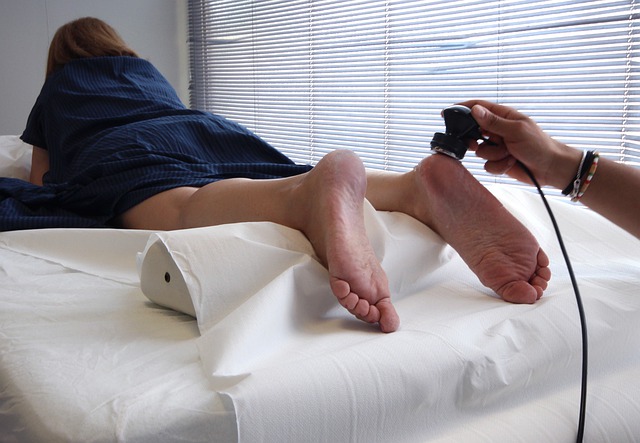
Pruritus, commonly known as itching, is a sensation that compels us to scratch. While occasional itching is a part of life, persistent or intense pruritus can be a sign of an underlying issue. In this article, we delve into the world of diagnosing pruritus, exploring its causes, symptoms, and the crucial steps involved in pinpointing the source of the itch.

Understanding Pruritus

Pruritus can be classified as acute or chronic. Acute pruritus is often short-lived and typically results from insect bites or irritants. On the other hand, chronic pruritus persists over a more extended period, often indicating an ongoing skin or systemic condition. To effectively diagnose pruritus, it’s essential to differentiate between these two forms and understand the common causes.

Symptoms of Pruritus

The intensity of itching can vary, ranging from mild discomfort to severe distress. Additionally, pruritus is often accompanied by changes in the skin, such as redness, swelling, or the development of rashes. Recognizing these symptoms is crucial in narrowing down the possible causes of pruritus.

Diagnosing Pruritus

Diagnosing pruritus requires a systematic approach, beginning with seeking medical consultation. A detailed patient history is the cornerstone of the diagnostic process, as it helps identify potential triggers and patterns related to itching episodes.

Physical Examination

A thorough physical examination is conducted to assess the condition of the skin and identify any visible signs of pruritus. The examination includes observing primary skin lesions, such as papules or vesicles, which can provide valuable clues about the underlying cause of itching.

Laboratory Tests

In some cases, laboratory tests, including blood tests and allergy testing, may be necessary to rule out systemic conditions or allergic reactions contributing to pruritus. These tests help in obtaining a comprehensive understanding of the patient’s overall health.

Imaging Studies

While not always required, imaging studies can play a role in diagnosing pruritus, especially when systemic conditions are suspected. Various imaging techniques, such as CT scans or MRIs, may be employed to explore potential internal causes of itching.

Skin Biopsy

When other diagnostic methods are inconclusive, a skin biopsy may be performed. This procedure involves taking a small sample of skin for analysis, aiding in the identification of specific skin conditions causing pruritus.

Differential Diagnosis

Pruritus shares symptoms with various skin conditions, making a differential diagnosis crucial. Dermatologists often collaborate with other specialists, such as allergists or rheumatologists, to rule out conditions that might mimic pruritus.

Impact on Quality of Life

Beyond the physical discomfort, pruritus can have a profound impact on an individual’s mental and emotional well-being. Addressing the psychological effects of pruritus is integral to holistic patient care.

Case Studies

Real-life case studies illustrate the complexities of pruritus diagnosis and treatment. These examples showcase the challenges faced by both healthcare providers and patients, as well as the positive outcomes achieved through a thorough diagnostic approach.

Patient Education

Empowering patients with information about their condition is crucial for effective management. Educating individuals about pruritus, its causes, and available treatments helps them actively participate in their healthcare journey.

FAQs (Frequently Asked Questions) about Diagnosing Pruritis

Can pruritus be a symptom of a serious medical condition?

Pruritus can be a symptom of various underlying conditions, including liver disease, kidney issues, or certain cancers. Seeking medical attention for persistent itching is crucial for accurate diagnosis.

Are over-the-counter creams effective for treating pruritus?

Mild cases of pruritus may respond to over-the-counter creams, but for chronic or severe itching, it’s advisable to consult a healthcare professional for a comprehensive evaluation and personalized treatment plan.

Can stress and anxiety contribute to pruritus?

Yes, stress and anxiety can exacerbate pruritus in some individuals. Managing stress through relaxation techniques or therapy may complement medical interventions in these cases.

Is pruritus more common in certain age groups?

Pruritus can affect individuals of all ages, but it may be more prevalent in older adults due to changes in skin structure and increased likelihood of underlying health conditions.

How long does the diagnostic process for pruritus typically take?

The duration of the diagnostic process varies depending on individual cases. Some may receive a diagnosis after the initial consultation, while others may undergo additional tests or evaluations for a more accurate assessment.

Conclusion

Diagnosing pruritis requires a multifaceted approach that combines medical expertise, patient collaboration, and a thorough exploration of symptoms. Timely and accurate diagnosis is essential for implementing appropriate treatments and improving the quality of life for individuals experiencing pruritus.

Latest Research on Pruritis: Unlocking the Mysteries of Itchiness

0

In the vast realm of dermatology, pruritus, commonly known as itchiness, remains a pervasive and intriguing challenge for both patients and healthcare professionals. The latest research on pruritus delves into its multifaceted nature, exploring causes, symptoms, and groundbreaking treatments. Join us on this journey as we unravel the mysteries surrounding pruritus.

Understanding Pruritus

The Itch Mechanism

To comprehend pruritus, we must first understand the intricate mechanisms behind itching. Histamines, neurotransmitters released during an allergic response, play a pivotal role. The activation of these histamines triggers the itch sensation, leading to an irresistible urge to scratch.

Types of Pruritus

Pruritus is not a one-size-fits-all condition. It manifests in various forms, including acute pruritus caused by insect bites or allergies, and chronic pruritus, a persistent and often more complex issue requiring thorough investigation.

Latest Findings in Pruritus Research

Neurological Connections

Recent studies have illuminated the neurological pathways involved in pruritus. The brain-skin connection plays a crucial role, with signals transmitted through nerve fibers influencing the perception of itchiness. Understanding these connections opens new avenues for targeted treatments.

Immunological Factors

Advancements in immunology have unveiled the immune system’s involvement in pruritus. Inflammatory cytokines and their impact on skin health have been identified as key contributors. This insight guides researchers toward developing therapies that modulate immune responses to alleviate itchiness.

Genetic Predisposition

Genetics also plays a role in pruritus susceptibility. Individuals with a genetic predisposition may experience heightened sensitivity to certain triggers, shedding light on the hereditary aspects of itchiness.

Innovative Treatments

Topical Therapies

Revolutionary topical treatments are emerging as effective solutions for pruritus. Nanotechnology has paved the way for enhanced drug delivery, ensuring targeted relief. From soothing creams to medicated patches, these innovations offer localized and rapid comfort.

Neurostimulation

Cutting-edge neurostimulation techniques are showing promise in disrupting the itch signals. Transcutaneous electrical nerve stimulation (TENS) and other neuromodulation approaches aim to interrupt the communication between nerves, providing a novel path for managing chronic pruritus.

Lifestyle Adjustments for Itch Management

Beyond medical interventions, lifestyle adjustments can significantly impact pruritus management. Maintaining proper skin hydration through regular moisturization and identifying personal triggers empower individuals to take proactive measures against itching.

Frequently Asked Questions about Pruritus

What is Pruritus?

Pruritus, commonly known as itchiness, is a sensation that prompts the desire to scratch the affected area. It can range from mild irritation to persistent discomfort and may be triggered by various factors, including allergies, skin conditions, or underlying health issues.

What Causes Pruritus?

Pruritus can be caused by a multitude of factors. Common triggers include insect bites, allergies, skin infections, and dry skin. Chronic pruritus may be associated with underlying health conditions such as liver or kidney disease, diabetes, or certain medications.

How is Pruritus Diagnosed?

Diagnosing pruritus involves a comprehensive examination by a healthcare professional. They may inquire about medical history, conduct a physical examination, and order additional tests if necessary. Identifying the root cause is crucial for developing an effective treatment plan.

Are There Effective Home Remedies for Pruritus?

While medical intervention is often necessary, some home remedies can provide relief. Applying cold compresses, using over-the-counter anti-itch creams, and maintaining good skin hygiene are practical measures. However, individuals with persistent or severe symptoms should seek professional medical advice.

What Does the Latest Research Reveal about Pruritus?

Recent research has uncovered various aspects of pruritus, including its neurological connections, immunological factors, and genetic predisposition. Understanding these intricacies is essential for developing targeted treatments, from innovative topical therapies to neurostimulation techniques.

Can Pruritus be Prevented?

Preventing pruritus involves adopting healthy skincare practices. Regular moisturization, avoiding harsh soaps, and identifying and managing triggers contribute to prevention. Individuals with chronic pruritus should work closely with healthcare professionals to develop a personalized prevention plan.

Conclusion

The latest research on pruritus is a beacon of hope for those grappling with persistent itchiness. From unraveling the neurological intricacies to pioneering treatments, the scientific community is at the forefront of transforming how we perceive and address pruritus. As we continue to delve into this realm, a future where effective, targeted solutions abound is within reach. Embracing the advancements in pruritus research is not just a leap toward comfort but a stride toward a better quality of life for many.

The Role of Diet in Alleviating Pruritis: What You Need to Know

0

Pruritus, commonly known as itching, is a sensation that compels us to scratch an irritated area of the skin. While it can be a temporary annoyance for many, chronic pruritus poses significant challenges, impacting the quality of life for those affected. In this article, we delve into the intricate relationship between diet and pruritus, exploring how what we eat can play a pivotal role in alleviating this persistent discomfort.

Understanding Pruritus

Pruritus can manifest in various forms, from acute, short-lived itching to persistent, chronic conditions. It’s crucial to distinguish between these states as the approach to managing them can differ significantly. Identifying the root causes of pruritus is the first step toward effective relief. Common triggers include skin conditions, allergies, medications, and underlying health issues.

The Relationship Between Diet and Pruritus

Our skin’s health is profoundly influenced by our dietary choices. Certain nutrients play a vital role in maintaining skin integrity and resilience. As we explore the connection between diet and pruritus, we’ll uncover how specific dietary elements can either exacerbate or alleviate this uncomfortable condition.

Anti-Inflammatory Diets

Inflammation often underlies chronic pruritus. Adopting an anti-inflammatory diet can mitigate this underlying cause. Incorporating foods rich in antioxidants, such as berries, leafy greens, and nuts, can help combat inflammation and soothe irritated skin.

Hydration and Pruritus

Proper hydration is a cornerstone of healthy skin. Dehydrated skin is more prone to irritation and itching. Including water-rich foods like watermelon, cucumber, and oranges in your diet can contribute to overall skin hydration.

Omega-3 Fatty Acids and Their Impact

Omega-3 fatty acids are renowned for their anti-inflammatory properties. Cold-water fish, flaxseeds, and walnuts are excellent sources of these essential fats. Including them in your diet can potentially alleviate pruritus by reducing inflammation.

Probiotics for Gut Health

The gut-skin connection is gaining recognition in the medical community. Probiotics, found in yogurt, kefir, and fermented foods, promote a healthy gut microbiome, which in turn can positively impact skin conditions, including pruritus.

Vitamins and Minerals for Healthy Skin

Certain vitamins and minerals play a crucial role in maintaining healthy skin. Vitamin A, found in carrots and sweet potatoes, supports skin cell regeneration, while vitamin E, present in nuts and seeds, acts as a potent antioxidant. Ensuring an adequate intake of these nutrients is essential for pruritus relief.

Identifying Trigger Foods

Allergens and intolerances can exacerbate pruritus. Identifying and eliminating trigger foods from your diet is a crucial step in managing chronic itching. Keeping a food diary and seeking guidance from a healthcare professional can aid in this process.

Balanced Diets for Overall Well-being

While focusing on specific nutrients is crucial, maintaining a well-balanced diet is equally important. A diverse array of fruits, vegetables, whole grains, and lean proteins ensures that your body receives a broad spectrum of nutrients, contributing to overall skin health.

Meal Planning for Pruritus Relief

Crafting a meal plan centered around skin health doesn’t have to be dull or restrictive. Incorporate a variety of colorful fruits and vegetables, experiment with herbs and spices, and explore different cooking methods to keep your meals exciting and beneficial for your skin.

Practical Tips for Implementing Dietary Changes

Making dietary changes can be challenging, but gradual adjustments can lead to lasting results. Start by introducing one or two skin-friendly foods at a time, gradually phasing out less beneficial choices. Overcoming the initial hurdles is key to establishing a sustainable, skin-supportive diet.

Consulting a Healthcare Professional

Individuals dealing with chronic pruritus should seek guidance from healthcare professionals. Dermatologists, allergists, and nutritionists can provide personalized advice based on specific needs and underlying conditions. Collaboration with these experts ensures a comprehensive approach to pruritus management.

Success Stories and Testimonials

Real-life success stories can inspire those navigating the challenges of chronic pruritus. Hearing how others have successfully managed their condition through dietary changes can provide hope and motivation. These stories underscore the potential impact of adopting a skin-friendly diet.

FAQs about Alleviating Pruritis

Can diet really make a difference in managing pruritus?

Yes, certain dietary changes can positively impact pruritus by addressing underlying factors such as inflammation and promoting overall skin health.

How long does it take to see results from dietary changes?

Results vary from person to person, but consistent dietary improvements may lead to noticeable relief within a few weeks to months.

Are there specific foods to avoid for pruritus relief?

Some individuals may find relief by avoiding common allergens like dairy or gluten. Identifying trigger foods through a process of elimination can be helpful.

Is it necessary to consult a healthcare professional for dietary advice?

While general dietary improvements can benefit many, individuals with chronic pruritus should seek guidance from healthcare professionals for personalized recommendations.

Can children benefit from dietary changes for pruritus relief?

Yes, children can also benefit from a skin-friendly diet, but it’s essential to consult with a pediatrician or a healthcare professional for appropriate guidance.

Conclusion

The role of diet in alleviating pruritus is a promising avenue for those seeking relief from persistent itching. By understanding the intricate relationship between what we eat and the health of our skin, individuals can make informed dietary choices that contribute to long-term pruritus management. Remember, consult with healthcare professionals for personalized advice and embark on your journey toward healthier, itch-free skin.

Natural Remedies for Pruritis

0

Pruritis, commonly known as itching, is a sensation that compels us to scratch the affected area. It can be a minor annoyance or a persistent issue affecting the quality of life. In this article, we delve into natural remedies for pruritis, exploring holistic approaches that aim to provide relief without relying solely on conventional medications.

Pruritis can result from various causes, including skin conditions, allergies, or underlying health issues. Itching can disrupt daily activities and, in severe cases, lead to complications. Understanding the triggers and impact of pruritis is crucial for effective management.

Conventional Treatments vs. Natural Remedies

While conventional treatments often involve medications that may have side effects, natural remedies offer a gentler alternative. The holistic approach focuses on addressing the root causes of itching rather than just alleviating symptoms.

Herbal Remedies

  • Chamomile: Known for its anti-inflammatory properties, chamomile can be applied topically or consumed as a tea to reduce itching.
  • Aloe Vera: With its soothing effects, aloe vera gel can provide relief to irritated skin, promoting healing.
  • Lavender Oil: This essential oil is praised for its calming benefits, making it an excellent option for easing pruritis.

Dietary Adjustments

Proper hydration is fundamental in maintaining healthy skin. Additionally, incorporating certain foods into your diet, such as those rich in omega-3 fatty acids and antioxidants, can contribute to reducing itching.

Topical Solutions

Coconut Oil: Its moisturizing properties make coconut oil a natural remedy for dry, itchy skin.

Oatmeal Baths: Soaking in an oatmeal bath can relieve itching and soothe irritated skin.

Mind-Body Techniques

Stress is known to exacerbate pruritis. Managing stress through techniques like meditation and mindfulness can have a positive impact on overall skin health.

Homeopathic Approaches

Calendula: Widely used for skin irritation, calendula can be applied in various forms to ease itching.

Graphites: Particularly beneficial for persistent itching, this homeopathic remedy addresses the root cause.

Preventive Measures

Identifying and avoiding triggers, maintaining proper hygiene, and using mild skincare products are essential in preventing pruritis episodes.

Case Studies

Real-life examples highlight individuals who successfully managed pruritis through natural remedies, emphasizing the personalized nature of these solutions.

Expert Opinions

Dermatologists and holistic health practitioners provide insights into the effectiveness of natural remedies, offering a balanced perspective.

Addressing Common Misconceptions

Dispelling myths surrounding natural remedies for pruritis ensures individuals can make informed decisions about their health.

The Role of Essential Oils

Tea Tree Oil: Known for its antifungal properties, tea tree oil can address fungal-related itching.

Peppermint Oil: The cooling sensation of peppermint oil can provide immediate relief for itchy skin.

Combining Therapies

A holistic approach that combines herbal remedies, dietary adjustments, and mind-body techniques enhances the overall effectiveness of pruritis management.

FAQs about Natural Remedies for Pruritis

Are natural remedies suitable for all types of itching?

Natural remedies can be effective for various types of itching, but it’s essential to identify the specific cause and consult with a healthcare professional.

How long does it take for natural remedies to show results?

The timeline for experiencing relief with natural remedies varies, with some individuals seeing improvement within days, while others may take longer.

Can I use essential oils directly on my skin for pruritis?

Essential oils should be diluted before applying to the skin to avoid irritation. Consult with a healthcare professional or aromatherapist for guidance.

Are there any dietary restrictions for managing pruritis naturally?

While certain foods may contribute to itching, there are no universal dietary restrictions. It’s advisable to maintain a balanced and nutritious diet.

Should I stop conventional medications when trying natural remedies?

Consult with your healthcare provider before making any changes to your medication regimen. Natural remedies can complement conventional treatments but should not replace them without professional advice.

Conclusion

Natural remedies offer a diverse and effective approach to managing pruritis. From herbal solutions to dietary adjustments and mind-body techniques, individuals can explore various methods to find what works best for them. It’s essential to consider these remedies as part of a holistic lifestyle that promotes overall well-being.

How Outdoor Living Designs by Experts Work

0

If you’re planning an outdoor living space, it’s essential to consider how you want to use the area. Think about your family’s short and long-term needs and make a list of goals for the design.

Experts agree that blending indoor and outdoor spaces is a huge trend. 

How It Works

Whether kicking back by the firepit or dining alfresco, outdoor living is a lifestyle. A big part of that lifestyle involves the everyday tasks that typically happen indoors, like lounging, cooking, and entertaining. That’s why builders, designers, and developers are interested in maximizing outdoor living opportunities in any home size or style.

Installation

For homeowners willing to invest in a project, the outdoor living design Sacramento CA process begins with discussing what they want the space to be used for. It may be entertaining, relaxing, cooking, or combining several things. Then, the team can start to figure out what needs to be done to achieve the desired results.

For instance, entertainers often love the idea of a fire pit and seating or a bar/kitchen. For relaxation, a water feature is the perfect choice, as the sight and sound of flowing water have been shown to increase relaxation and lower stress levels.

The goal is to create outdoor rooms that reflect a homebuyer’s taste. And these experts agree that adaptability is the key to success. It’s less about fitting into a neighborhood look and more about creating spaces that perform well regardless of family plans. That way, an investment in a backyard oasis can continue to be enjoyed for years. 

Planning

Whether you’re envisioning a cozy space where you can curl up with a book or entertain guests by the fire pit, the planning process is an opportunity to express your personality and style. Many builders encourage their clients to bring in an expert during this phase to open their eyes to brilliant options that might have been off their radar.

It’s also a necessary time to consider if your project requires permits or has any restrictions on its scope, which could impact your timeline and cost. 

Next, define the primary functions of your outdoor living area. Use repetition and geometric shapes to unify the different areas, then let the existing architecture of your house guide your design.

Designing

One of the first things a design professional will ask is how you want to use your outdoor living space. The answer will help determine what types of features you need.

For instance, if you plan to entertain guests, you might need extra seating or a firepit. A garden or pond might be more appropriate if you’re looking for a quiet place to meditate or connect with nature.

Integrating a space’s design with its surroundings is essential. This ties back to the overall trend of making indoor and outdoor living spaces cohesive, seamless, and natural.

For example, if you’ve used a rectangle in one area of your yard, employ the same geometric shape in another to create unity. This will also help your space feel more organized and intentional. It’s a way to make your yard feel like it was designed for you rather than just a leftover afterthought.

Vaginal Pruritis Symptoms: Unraveling the Itch

0

Vaginal pruritis, often known as vaginal itching, is a prevalent concern among women that can significantly impact their daily lives. In this article, we will explore the various aspects of vaginal pruritis, from its symptoms to preventive measures and medical treatments.

What is Vaginal Pruritis?

Vaginal pruritis refers to the uncomfortable sensation of itching in and around the genital area. While occasional itching is normal, persistent or severe itching may indicate an underlying issue.

Prevalence and Causes

This condition is more common than one might think, affecting women of all ages. Various factors, including infections, allergic reactions, and hormonal changes, can contribute to vaginal pruritis.

Understanding Vaginal Pruritis

Common Symptoms

The symptoms of vaginal pruritis may vary but often include itching, redness, and swelling. It is essential to understand these signs to seek timely medical attention.

Impact on Daily Life

Persistent itching can disrupt daily activities and affect overall well-being. Sleep disturbances and emotional distress are not uncommon among individuals experiencing chronic vaginal pruritis.

When to Seek Medical Attention

Knowing when to consult a healthcare professional is crucial. If the symptoms persist for more than a few days or are accompanied by other concerning signs, seeking medical advice is recommended.

Diagnosing Vaginal Pruritis

Medical History

Healthcare providers often begin by taking a detailed medical history to understand potential triggers and contributing factors.

Physical Examination

A thorough physical examination helps in identifying visible signs of infection or inflammation.

Diagnostic Tests

In some cases, diagnostic tests such as swabs, blood tests, or imaging may be necessary to pinpoint the exact cause of vaginal pruritis.

Common Causes of Vaginal Pruritis

Infections

Bacterial, fungal, or viral infections can lead to vaginal itching. Common culprits include yeast infections, bacterial vaginosis, or sexually transmitted infections.

Allergic Reactions

Certain products like soaps, detergents, or fabrics can trigger allergic reactions, resulting in itching and discomfort.

Hormonal Changes

Fluctuations in hormone levels, particularly during pregnancy, menopause, or the menstrual cycle, can contribute to vaginal pruritis.

Skin Conditions

Skin disorders such as eczema or psoriasis can extend to the genital area, causing itching.

Preventive Measures

Personal Hygiene

Maintaining good personal hygiene, including gentle washing and avoiding harsh soaps, can prevent vaginal irritation.

Clothing Choices

Wearing breathable fabrics and avoiding tight-fitting clothing promotes air circulation, reducing the risk of irritation.

Sexual Practices

Practicing safe and consensual sex is crucial in preventing sexually transmitted infections that can lead to vaginal pruritis.

Home Remedies

Soothing Baths

Taking warm baths with soothing additives like colloidal oatmeal can alleviate itching.

Topical Creams

Over-the-counter creams with anti-itch ingredients may provide relief, but consulting a healthcare professional is advisable.

Dietary Changes

Some individuals find relief by making dietary adjustments, such as reducing sugar intake, which can contribute to yeast overgrowth.

Medical Treatments

Antifungal Medications

For yeast infections, antifungal medications may be prescribed to eliminate the underlying cause.

Antibiotics

Bacterial infections may require antibiotic treatment to clear the infection and relieve symptoms.

Hormone Therapy

In cases of hormonal imbalances, hormone therapy may be recommended to restore balance.

Lifestyle Adjustments

Stress Management

Stress can exacerbate vaginal pruritis. Adopting stress-management techniques, such as yoga or meditation, can be beneficial.

Dietary Recommendations

A well-balanced diet supports overall health, including the health of the genital area.

Regular Exercise

Engaging in regular physical activity improves circulation and promotes overall well-being.

When to Consult a Specialist

Gynecologist

Consulting a gynecologist is essential for a comprehensive evaluation of vaginal health.

Dermatologist

In cases of skin conditions, a dermatologist can provide specialized care.

Allergist

Identifying and managing allergies may require consultation with an allergist.

The Importance of Open Communication

Discussing Symptoms with Healthcare Providers

Openly discussing symptoms with healthcare providers ensures accurate diagnosis and effective treatment.

Support Systems

Having a support system, whether friends, family, or support groups, can significantly impact emotional well-being during treatment.

Addressing Stigma and Misconceptions

Breaking Taboos

Addressing cultural taboos and misconceptions surrounding vaginal health is crucial for open discussions.

Normalizing Discussions

Normalizing conversations about vaginal health reduces stigma and encourages seeking help without hesitation.

Impact on Mental Health

Emotional Toll

Chronic conditions can take an emotional toll. Seeking mental health support is vital for overall well-being.

Seeking Psychological Support

Psychotherapy or counseling may be beneficial for individuals experiencing emotional distress due to chronic vaginal pruritis.

Future Trends in Vaginal Health

Research and Innovations

Ongoing research and technological innovations aim to improve diagnostics and treatment options for vaginal health concerns.

Destigmatizing Women’s Health

Efforts to destigmatize discussions around women’s health contribute to more open conversations and increased awareness.

FAQs (Frequently Asked Questions) about Vaginal pruritis

Can vaginal pruritis go away on its own?

In some cases, mild itching may resolve on its own, but persistent or severe symptoms require medical attention.

How can I prevent vaginal pruritis?

Maintaining good personal hygiene, wearing breathable fabrics, and practicing safe sex are key preventive measures.

Are home remedies effective for treating vaginal pruritis?

Home remedies such as soothing baths and topical creams may provide relief, but it’s essential to consult a healthcare professional for proper diagnosis and treatment.

When should I see a doctor for vaginal itching?

If symptoms persist for more than a few days, are accompanied by unusual discharge or pain, or if you are unsure about the cause, it’s advisable to consult a healthcare professional.

Is vaginal pruritis a sign of a serious medical condition?

While it can be caused by various factors, including infections and allergies, it’s essential to consult a healthcare provider to rule out any serious underlying conditions.

Conclusion

Understanding the symptoms, causes, and available treatments is crucial for managing and preventing vaginal pruritis. Encouraging individuals experiencing vaginal pruritis to seek timely medical advice and not hesitate to discuss their concerns with healthcare providers.