

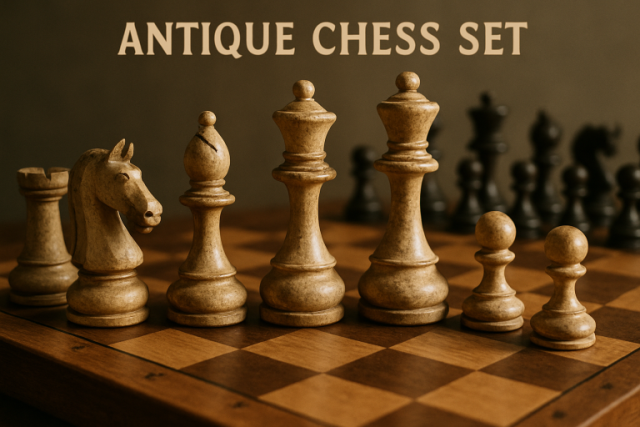
Antique chess sets offer a glimpse into diverse cultures and historical periods, serving as both functional game pieces and remarkable collectibles. These sets go far beyond a simple pastime, embodying centuries of artisanal skill and reflecting the changing tides of artistic and cultural expression. For both seasoned collectors and those new to the world of antiques, the allure of classic chess sets lies in their craftsmanship and the stories they carry. Many enthusiasts focus on collecting traditional chess sets for their historical roots and unique designs, making them highly sought-after collectibles.
The fascination with antique chess sets arises not just from the game itself, but from their representation of eras gone by. Each set, carved and crafted in a specific period, narrates its own journey through time—reflecting the region and culture of its origin. From rare medieval carved ivory to ornate 18th-century woodwork, these artifacts help us appreciate the broader context of artistic evolution and social histories embedded in the game.
Understanding the value of antique chess sets requires an exploration of their materials, craftsmanship, and provenance. Collectors often dedicate significant effort to correctly identifying and authenticating pieces, ensuring they capture items with genuine historical significance. Knowledgeable appraisal, combined with a keen eye for detail, is critical for distinguishing authentic antiques from modern reproductions—making the work of a collector both challenging and rewarding.
Notable Antique Chess Sets
Certain chess sets have achieved legendary status for their artistry, rarity, and historical importance. Among the most celebrated are:
- Lewis Chessmen: Uncovered on the Isle of Lewis in Scotland in 1831, these twelfth-century chess pieces are carved from walrus ivory and whale teeth. With expressive faces and intricate designs, the Lewis Chessmen remain one of the few surviving medieval chess sets. They are preserved in the British Museum and the National Museum of Scotland.
- Charlemagne Chessmen: Dating to the 11th century, these pieces are believed to be an opulent gift from Caliph Harun al-Rashid to Emperor Charlemagne. The detailed and well-preserved ivory figures are rare relics of the High Middle Ages.
- Dubrovnik Chess Set: Commissioned for the 9th Chess Olympiad in 1950, the Dubrovnik set is notable for its wide bases and absence of religious iconography. Its clean, modern lines have made it a favorite for both play and display.
Factors Influencing Value
An interplay of several key attributes shapes the worth of an antique chess set:
- Age and Rarity: Sets dating prior to the 18th century are scarce and precious. Collectors value early sets not just for their scarcity, but for the context they provide on the evolution of the game and its aesthetics. Antique sets made before 1750 are scarce and command premium prices at auctions.
- Craftsmanship: Finely executed details elevate a chess set’s appeal and value. The Selenus set, renowned for its precisely lathe-turned bases and shafts, exemplifies the meticulous handiwork that characterizes truly valuable pieces.
- Materials Used: The substance from which a set is made also affects value. Sets crafted from luxury materials like ivory, ebony, or amber—such as the renowned Gdańsk Amber Set—are not only rare but often considered masterpieces of functional art.
Identifying Authentic Antique Sets
Determining the authenticity of an antique chess set is a skill honed through observation and research:
- Signs of Aging: Genuine antiques commonly display patina, subtle yellowing, or fine surface cracks—referred to as “crazing.” These are reliable signs of age that forgers often fail to replicate convincingly.
- Craftsmanship Details: Hand-carved elements—such as intricate knight’s manes, deeply cut crowns, or personalized markings—distinguish authentic pieces from mass-produced reproductions.
- Provenance: Provenance documentation, including any historical record of ownership or context, can dramatically enhance the perceived and actual value of a chess set.
Preservation and Care
Protecting antique chess sets requires thoughtful conservation techniques:
- Proper Storage: Maintaining a stable environment is crucial. Fluctuations in humidity or temperature can damage wooden or ivory pieces, so climate-controlled rooms or display cases are recommended.
- Regular Cleaning: Proper cleaning methods vary by material. Generally, avoid abrasive materials or harsh chemicals; use soft, dry cloths and gentle handling to preserve delicate surfaces.
- Professional Restoration: Restoration work should only be performed by expert conservators familiar with antique objects, as improper repairs can reduce value or cause irreversible harm.
Where to Find Antique Chess Sets
Sourcing authentic sets involves a careful approach, whether browsing auctions, antique shops, or specialized online marketplaces:
- Auctions: Specialty auctions—both virtual and in-person—occasionally present rare collections. Noteworthy events, such as the 2004 Duran Auction House sale in Madrid, testify to the international interest in these treasures.
- Antique Shops: Local and regional antique dealers sometimes possess unique or regionally-significant sets with verifiable provenance.
- Online Marketplaces: Digital platforms have expanded access for collectors, but due diligence is essential—requests for authentication and provenance should be standard practice before purchase.
Conclusion
Antique chess sets bridge history, art, and play, offering collectors and enthusiasts lasting value. By understanding their history, what makes them valuable, and best practices for authenticating and caring for them, anyone can embark on a rewarding journey into this fascinating aspect of material culture. As appreciation grows, so too does the commitment to preserving these artifacts for future generations to enjoy.

